• Follow
  • Follow
  • Follow
  • Follow

Contact Us | Prescribing Info

  • What is Keratoconus?
    • Importance of Early Detection
  • What is Cross-Linking?
    • iLink™ FDA-Approved Cross-Linking
  • Insurance information
    • Cross-Linking & Insurance Guide
    • Copay Savings Program
  • Patient Resources
    • Keratoconus Journeys
    • Blog
    • World Keratoconus Day
  • Find an Expert
  • What is Keratoconus?
    • Importance of Early Detection
  • What is Cross-Linking?
    • iLink™ FDA-Approved Cross-Linking
  • Insurance information
    • Cross-Linking & Insurance Guide
    • Copay Savings Program
  • Patient Resources
    • Keratoconus Journeys
    • Blog
    • World Keratoconus Day
  • Find an Expert

Lauren McGuiggan

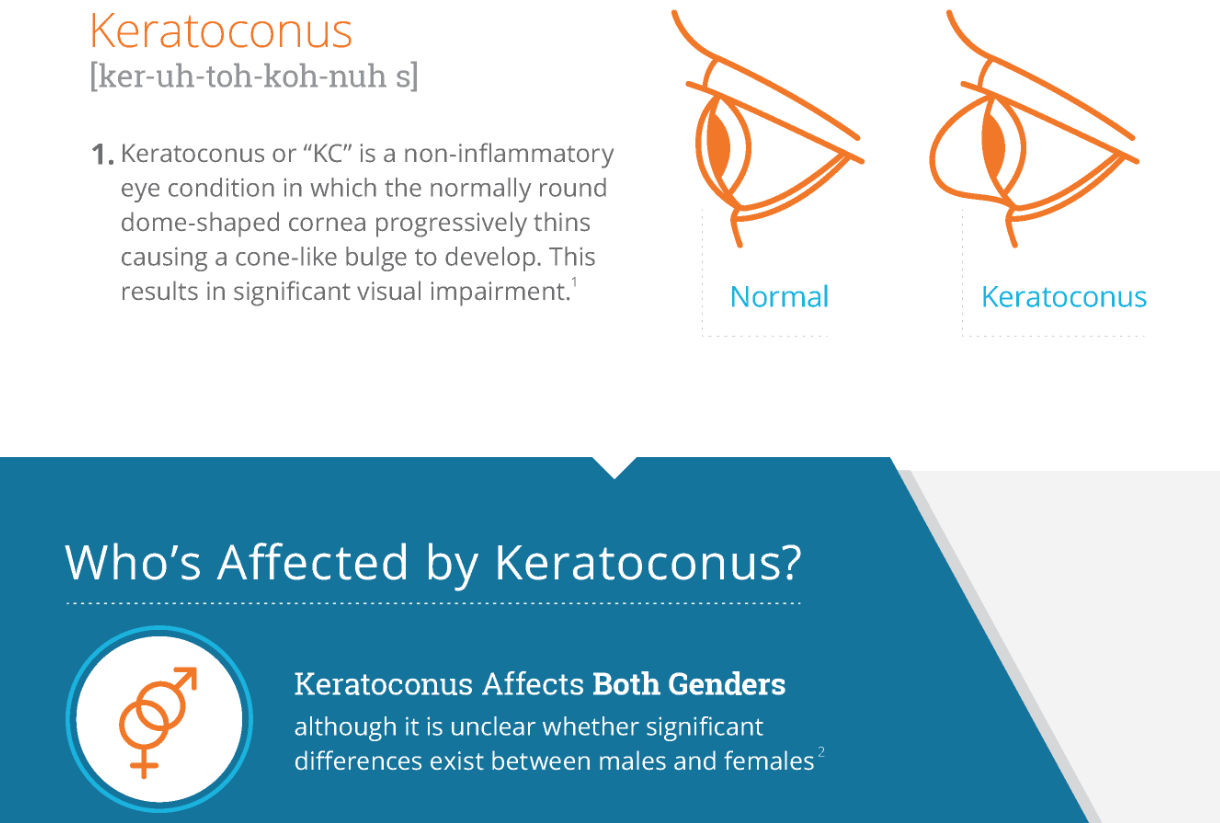
Infographic: Understanding Keratoconus & the Importance of Early Diagnosis

November 24, 2021March 7, 2018 by Lauren
Categories Blog, Lauren McGuiggan

Upcoming Event: NKCF to Host First Keratoconus Family Symposium

November 24, 2021January 18, 2018 by Lauren
Categories Blog, Lauren McGuiggan

World Keratoconus Day

November 24, 2021November 7, 2017 by Lauren
Categories Blog, Lauren McGuiggan, World KC Day
Post navigation
Newer posts
← Previous Page1 … Page8 Page9

Recent Posts

  • Playing Sports or Working Out With Keratoconus? Here’s What to Do!
  • KC Experts: Dr. Ostrovsky on Down Syndrome, Keratoconus and the Importance of Early Detection
  • Keratoconus Voices: Bringing Vision into Focus
  • Keratoconus Journey: Steven
  • Cross-Linking FAQ: Does Corneal Cross-Linking Help Vision?

Archives

Categories

Stay Connected

Sign up for our newsletter and get notifications sent directly to your inbox.

15 + 8 =

Recent Posts

OD Expert – What to Know About Scleral Lenses

Feb 25, 2021

If you’re living with keratoconus, you may be relieved to learn that there are several treatments available. Options include contact lenses, Intacs, iLink FDA-approved cross-linking for progressive keratoconus, or in some advanced cases, a corneal transplant. If...

Keratoconus Journey: Trayci

Feb 23, 2021

Growing up, Trayci didn’t know a life without contacts or glasses, so when she had the option to receive Lasik, she took it. However, 14 years after receiving the procedure, she once again found her vision declining. Soon after, she was shocked to learn she was living...

Feel Confident Taking the Wheel at Night

Dec 14, 2020

Do you consider yourself a good driver? Most of us should feel confident behind the wheel, but do you ever feel that your driving ability changes when the sun goes down? For some people, driving at night or in the dark can cause fear or uneasiness. For those living...

Investigating Common Eye Health Myths

Nov 16, 2020

With so much information available at our fingertips – through family, friends, doctors, and the internet, it’s hard to know exactly what’s true and what’s not. While some sources may seem legitimate, the information provided may actually be embellished or...

Contact Us

Headquarters
201 Jones Road
Waltham, MA 02451

Call us: (844) 528-3376
Send an Email

View our Privacy Policy and Terms of Use

© 2021 Living with Keratoconus. Glaukos® is a registered trademark of Glaukos Corporation. iLink™ is a trademark of Glaukos Corporation. Photrexa®, Photrexa® Viscous, and the KXL® system are registered trademarks of Avedro, a Glaukos company. All Rights Reserved. Glaukos Corporation.

  • Follow
  • Follow
  • Follow
  • Follow

IMPORTANT SAFETY INFORMATION

APPROVED USES
Photrexa® Viscous (riboflavin 5’-phosphate in 20% dextran ophthalmic solution) and Photrexa® (riboflavin 5’-phosphate ophthalmic solution) are used with the KXL® System in corneal cross-linking to treat eyes in which the cornea, the clear dome shaped surface that covers the front of the eye, has been weakened from the progression of the disease keratoconus or following refractive surgery, a method for correcting or improving your vision.

Tell your healthcare provider if you are pregnant or plan to become pregnant.

IMPORTANT SAFETY INFORMATION
Ulcerative keratitis, a potentially serious eye infection, can occur. Your doctor should monitor defects in the outermost corneal layer of the eye for resolution.

The most common ocular side effect is haze. Other ocular side effects include inflammation, fine white lines, dry eye, disruption of surface cells, eye pain, light sensitivity, reduced sharpness of vision, and blurred vision. The risk information provided here is not comprehensive. To learn more, talk to your healthcare provider.

Go to Prescribing Info to obtain the FDA-approved product labeling.

You are encouraged to report all side effects to the FDA. Visit www.fda.gov/medwatch, or call 1-800-FDA-1088.