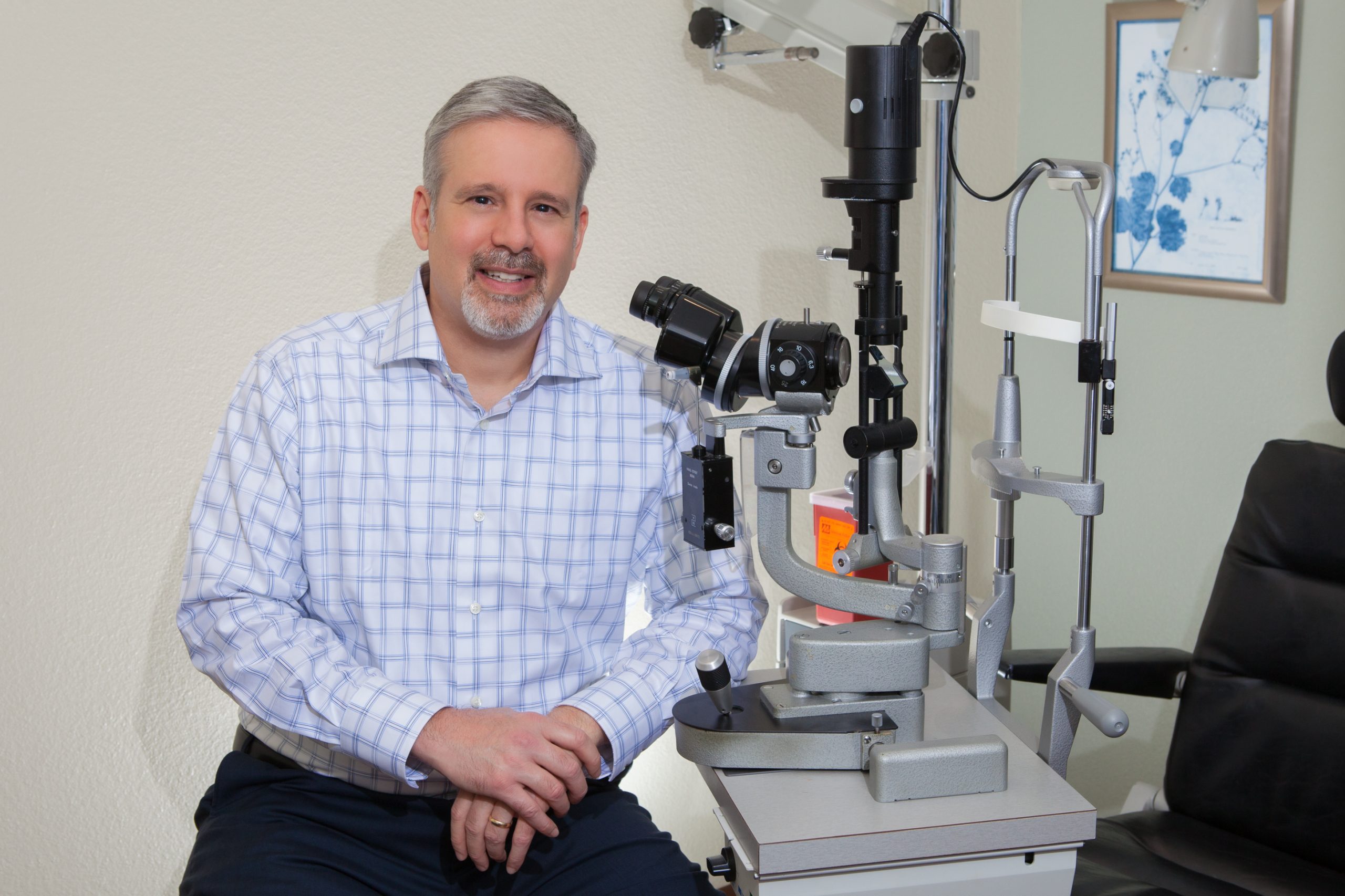
A Father’s Perspective: Mat

In the first grade, my son Luke began complaining of vision issues, such as blurriness and double vision. To help correct this, we brought him to an optometrist who prescribed him glasses to help him see. However, over the next five to six years, Luke’s vision continued to decline. What my wife and I didn’t realize was that our son was living with a progressive eye disease known as keratoconus.

How to Share Your Keratoconus Diagnosis With Others

If you have just recently been diagnosed with keratoconus, or have been living with it for some time, you may be wondering how or when to share your diagnosis with loved ones. It may seem nerve-wracking to open up to family, friends, or even on social media, but sharing your diagnosis is an important step towards accepting your condition and receiving support from others.

The Do’s and Don’ts of Contact Lenses: The Don’ts

It is estimated that an astounding 45 million people in the United States (or about 14% of the population) wear contact lenses. However, the vast majority of users don’t use their lenses properly. The outcomes can be harmful to both your lenses and your overall eye health, potentially leading to a serious eye infection, among other risks.

The Do’s and Don’ts of Contact Lenses: The Do’s

Whether you wear them to improve your vision or have to be fitted for a new pair after undergoing iLink FDA-approved cross-linking for progressive keratoconus, contact lenses can play a key role in your keratoconus journey. However, while contact lenses are an effective way to improve vision, more than 99% of users have reported at least one risky eye care behavior that can lead to eye infections.

OD Expert – Tips on Caring for Scleral Lenses

If you or a loved one is living with keratoconus, you may be familiar with prescription contact lenses to help with blurry or distorted vision. Contact lenses are a common part of a person’s keratoconus journey and can range from soft contact lenses to Rigid Gas Permeable (RGP) lenses.

A Seasonal Guide to Allergies

Do you feel like you’re affected by allergies year-round? You’re not alone! Hay fever affects about 6.1 million children and 20 million adults. While many people associate allergy season with the fall or spring, few know there are different allergens that can make your symptoms flare-up year-round.

OD Expert – What to Know About Scleral Lenses

If you’re living with keratoconus, you may be relieved to learn that there are several treatments available. Options include contact lenses, Intacs, iLink FDA-approved cross-linking for progressive keratoconus, or in some advanced cases, a corneal transplant.