

Blog

Playing Sports or Working Out With Keratoconus? Here’s What to Do!
One of the more common questions that we’ve seen from the Living with Keratoconus community is: Will corneal cross-linking help my vision? In this blog, we’re discussing whether iLink FDA-approved cross-linking helps improve vision, and if corrective lenses will be needed.
KC Experts: Dr. Ostrovsky on Down Syndrome, Keratoconus and the Importance of Early Detection
More than half of people with Down syndrome experience an eye disease at some point in their lives. 5-15% of people with Down syndrome are affected by keratoconus, even though it is considered a rare disease.
Keratoconus Voices: Bringing Vision into Focus
Each year on November 10th, we celebrate World Keratoconus Day, an important awareness event sponsored by the National Keratoconus Foundation. To help celebrate, we’re highlighting members from the Living with KC community who are sharing their stories, as well as discussing the importance of early diagnosis and treatment of progressive keratoconus.

Cross-Linking FAQ: Does Corneal Cross-Linking Help Vision?
One of the more common questions that we’ve seen from the Living with Keratoconus community is: Will corneal cross-linking help my vision? In this blog, we’re discussing whether iLink FDA-approved cross-linking helps improve vision, and if corrective lenses will be needed.

Your Guide to Recovering from iLink FDA-Approved Cross-Linking
It’s important to know that recovery is different for everyone. We’re providing you with a full iLink Recovery Guide below, which includes information on how to prepare for your procedure, when you can expect to return to your normal routine, and suggested essentials. Continue reading to learn more!

Should You Seek a Second Opinion Before Receiving Cross-Linking?
If you’ve never asked for a second opinion before, the decision can feel overwhelming, so we’re here to help. Read our blog to determine if you should receive a second opinion on your recommended keratoconus treatment options.

Curious About Insurance Coverage for Cross-Linking? Here’s What to Know!
We all know that health insurance coverage can be a pain to navigate, regardless of the situation! To help clear up any confusion, we’re highlighting everything you need to know about insurance coverage for iLink FDA-approved cross-linking.

Cross-Linking FAQ: How Painful is iLink™ FDA-Approved Cross-Linking?
With any medical procedure, one of the first questions that comes to mind is “Is it painful?” Cross-linking is no exception. If you or someone you know is considering getting iLink™ FDA-approved cross-linking to treat progressive keratoconus and wondering if the procedure is painful, you are certainly not alone. This is an important question to be asking!

Caring for Contact Lenses While Having Fun in the Sun
Whatever your ideal warm-weather plans may be, it’s important to take the time to prioritize your eye health, especially if you wear contact lenses. To make the most of your summer plans, we’re sharing how best to care for your contact lenses, including tips on preparing for warm-weather activities, as well as some guidelines on what to do and what not to do in order to protect your eyes.

Cross-Linking FAQ: How Long Does it Take to Recover From iLink™?
If you or someone you know has keratoconus, it is likely that you have heard of iLink™ FDA-approved corneal cross-linking. When it comes to iLink, we want to help answer as many of your questions as possible, including how long it takes to recover from FDA-approved cross-linking and what that process may look like for you.

Traveling Soon? Don’t Forget Your Eye Care Checklist!
Whether you’re traveling near or far, for work or for pleasure, worrying about your eye health shouldn’t get in the way. Eye conditions, including keratoconus, shouldn’t prevent you from living your life and enjoying what you love. So, book the ticket, mark your calendar, and pack your bags!

Introducing the iLink Copay Savings Program
If your doctor has recommended iLink FDA-approved corneal cross-linking— the first and only FDA-approved therapeutic treatment that stiffens the cornea to slow or halt the progression of keratoconus, then you may now be eligible to receive up to $100 towards your non-reimbursable copay expenses through our new patient support program.

The Tennessean: Gallatin Resident Receives Only FDA-Approved Treatment for Progressive Eye Condition
For over 40 years, Jimmy learned to live with and manage his progressive keratoconus using a contact lens. At the time, this was the only available treatment option for keratoconus aside from a corneal transplant. However, his contact lens was only treating the symptoms of his keratoconus, and not the underlying cause. As his keratoconus continued to progress and negatively impact his life, potentially needing corneal transplant became a concern.
Keratoconus 101: Treatment Options and Post-Treatment Care
If untreated, keratoconus may result in significant vision loss and can lead to a corneal transplant in severe cases. However, there are various FDA-approved treatment options available that work to treat the symptoms caused by the thinning and bulging of the cornea.

What to Know About Corneal Transplants and Organ Donation
A corneal transplant may be the only option when the cornea becomes dangerously thin or when sufficient vision can no longer be achieved by contact lenses due to corneal steepening, scarring, or lens intolerance. We’ve compiled some information for you, including an overview of the connection between keratoconus and corneal donations, organ donations, organizations you should be aware of, and how to become a donor. Keep reading to learn more.

Keratoconus 101: Causes, Symptoms, and Demographics
Whether you were recently diagnosed with keratoconus, or have been living with it for years, you may be wondering more about this lesser-known – and often misdiagnosed – eye condition. If you’re not familiar, keratoconus, often referred to as KC, is an eye condition in which the cornea weakens and thins over time, causing the development of a cone-like bulge and optical irregularity of the cornea. The condition may result in significant vision loss and can require a corneal transplant in severe cases.

Tips for Coping with Headaches and Light Sensitivity
Headaches and light sensitivity are two common conditions that you most likely have heard of before or experienced firsthand. Although there are some easy fixes for these uncomfortable and sometimes inconvenient conditions, it can be stressful if they continue to occur without a known or obvious explanation. While these two bothersome ailments can be caused by a number of different factors, they may be the result of an underlying vision issue, such as keratoconus.

Need iLink FDA-Approved Cross-Linking? Here’s What to Expect!
For people diagnosed with progressive keratoconus, it’s likely that iLink FDA-approved cross-linking will be recommended to halt or slow the progression of the condition. Whether your cross-linking procedure is scheduled or you’ve been considering it for a while now, you may be interested in learning more about this minimally invasive procedure.

The Importance of Receiving iLink FDA-Approved Cross-Linking
iLink FDA-approved cross-linking is the only treatment option proven safe and effective in slowing or halting the progression of keratoconus to help preserve patients’ vision.

Spokesman-Review (Spokane, Washington): Trayci Attributes Early Detection of Keratoconus to Preserving Her Eyesight
In June 2019, fourteen years after receiving Lasik to fix her vision, Trayci, 51, noticed her eyesight was declining again. Soon after, she was diagnosed with progressive keratoconus, a rare eye disease in which the cornea weakens and thins over time, causing a cone-like bulge and optical irregularity.

A Father’s Perspective: Mat
In the first grade, my son Luke began complaining of vision issues, such as blurriness and double vision. To help correct this, we brought him to an optometrist who prescribed him glasses to help him see. However, over the next five to six years, Luke’s vision continued to decline. What my wife and I didn’t realize was that our son was living with a progressive eye disease known as keratoconus.

How to Share Your Keratoconus Diagnosis With Others
If you have just recently been diagnosed with keratoconus, or have been living with it for some time, you may be wondering how or when to share your diagnosis with loved ones. It may seem nerve-wracking to open up to family, friends, or even on social media, but sharing your diagnosis is an important step towards accepting your condition and receiving support from others.

The Do’s and Don’ts of Contact Lenses: The Don’ts
It is estimated that an astounding 45 million people in the United States (or about 14% of the population) wear contact lenses. However, the vast majority of users don’t use their lenses properly. The outcomes can be harmful to both your lenses and your overall eye health, potentially leading to a serious eye infection, among other risks.

The Do’s and Don’ts of Contact Lenses: The Do’s
Whether you wear them to improve your vision or have to be fitted for a new pair after undergoing iLink FDA-approved cross-linking for progressive keratoconus, contact lenses can play a key role in your keratoconus journey. However, while contact lenses are an effective way to improve vision, more than 99% of users have reported at least one risky eye care behavior that can lead to eye infections.

Helping Others to Preserve Their Vision Through the Patient Assistance Program
Although there are indications that the prevalence of keratoconus may be rising, access to treatment is decreasing for many. Without insurance, keratoconus treatments can cost thousands of dollars — essentially forcing some people to choose between their vision and other significant, necessary expenses or their family’s savings.

Herald Democrat (Sherman, TX): Jackson Rainbow Enjoys Favorite Hobbies Again After Surgery Preserves Vision
When Jackson’s vision became progressively worse, he decided it was time to find some answers. He was then diagnosed with keratoconus. His doctor recommended that Jackson undergo iLink FDA-approved cross-linking as soon as possible to slow or halt the progression of the condition to preserve his vision.

OD Expert – Tips on Caring for Scleral Lenses
If you or a loved one is living with keratoconus, you may be familiar with prescription contact lenses to help with blurry or distorted vision. Contact lenses are a common part of a person’s keratoconus journey and can range from soft contact lenses to Rigid Gas Permeable (RGP) lenses.

A Seasonal Guide to Allergies
Do you feel like you’re affected by allergies year-round? You’re not alone! Hay fever affects about 6.1 million children and 20 million adults. While many people associate allergy season with the fall or spring, few know there are different allergens that can make your symptoms flare-up year-round.

OD Expert – What to Know About Scleral Lenses
If you’re living with keratoconus, you may be relieved to learn that there are several treatments available. Options include contact lenses, Intacs, iLink FDA-approved cross-linking for progressive keratoconus, or in some advanced cases, a corneal transplant.

Feel Confident Taking the Wheel at Night
Do you consider yourself a good driver? Most of us should feel confident behind the wheel, but do you ever feel that your driving ability changes when the sun goes down?

Investigating Common Eye Health Myths
With so much information available at our fingertips – through family, friends, doctors, and the internet, it’s hard to know exactly what’s true and what’s not. While some sources may seem legitimate, the information provided may actually be embellished or straight-up fiction.

Protecting Your Eyes (and Yourself) While Working and Learning From Home
The COVID-19 pandemic has brought a lot of changes and new challenges to our lives, including social distancing, wearing a face mask, cancelling events, and stocking up on cleaning and sanitizing products. Another significant challenge that many people are facing now is working or learning from home.

Keratoconus & Decision Fatigue: Don’t Forget Your Eye Health
At some point during the current COVID-19 pandemic, every person has probably asked themselves “Is this worth the risk?” when deciding whether or not to leave their home. As a result, you may be experiencing decision fatigue.

Why We Received FDA-Approved Cross-Linking
For many people living with keratoconus, contact lenses or glasses are often prescribed as the first treatment option. While these treatments help to manage some of the symptoms of keratoconus, they do not stop the progression of the condition.

Feel Confident Going Back to the Eye Doctor
Amid the spread of COVID-19, many states have taken appropriate precautionary measures provided by professional organizations in their operating procedures. Some may have even shut down temporarily, resulting in doctor’s offices being closed and elective surgeries being canceled.

Down Syndrome & Keratoconus – What You Need to Know
Down syndrome can affect the maturing eye which can impact the proper development of vision in children and adults. More than half of people with Down syndrome experience an eye disease at some point in their lives, so caregivers and doctors should monitor their vision closely.
Introducing the Living with Keratoconus Patient Support Program
If your doctor has recommended FDA-approved corneal cross-linking— the first and only FDA-approved therapeutic treatment that stiffens the cornea to slow or halt the progression of keratoconus, then you may now be eligible to receive up to $100 towards…

Keratoconus Expert – Dr. Audrey Talley-Rostov on Increasing Awareness for Keratoconus
While symptoms for keratoconus often first appear in the late teens and early twenties, there are instances where a diagnosis may come later in life. Keratoconus can often be misdiagnosed…

Is It Time for an Eye Exam? Here’s What You Should Know
When it comes to a timeline of when to receive an eye exam, it’s different for everyone. According to Prevent Blindness, how frequently you should be receiving exams depends on…

We Asked, You Answered: Advice for Someone Newly Diagnosed with Keratoconus
A keratoconus diagnosis can trigger a range of emotions for you and your family, especially if you’re unfamiliar with the condition. You may feel confused, frustrated, and scared or unsure of the future…

Coronavirus and Eye Health – What You Need to Know
Here in the Living with KC community, we hope to clear up some confusion around COVID-19 and your eye health. Keep reading to learn ways to help prevent yourself from contracting the virus…

WJTV (Jackson): Mississippi Braves Broadcaster Chris Harris Doesn’t Let Rare Eye Disease Hold Him Back
Mississippi Braves broadcaster Chris Harris overcame keratoconus to thrive in the booth. He discusses his journey living with disease, undergoing cross-linking, and life after the procedure.

Sarah’s Video Series: A Story of Keratoconus, Down Syndrome, and Treatment
During their initial appointment, the corneal specialist explained that 5-15% of people with Down syndrome also have keratoconus and recommended that Sarah consider FDA-approved corneal cross-linking…

Making Winter Eye Care High-Priority When the Temps Get Low
Our environment has a big impact on our eye health and every season brings new challenges. Winter produces extreme conditions, including frigid temps, whipping winds, dry air…

Boost Your Self-Esteem with #KCConfidence
Let’s be honest, self-esteem can be tricky – some days you have it, and some days you just don’t. For those living with keratoconus, the condition can add another layer of complexity…

Make Your Eye Health a Priority for 2021!
Every January, people come up with resolutions they want to stick with throughout the next year. But it doesn’t have to be a new year to make positive changes in your life, especially when it comes to taking care of your eyes.

How Rare Is Your “Rare Disease”?
In the United States, a rare disease is defined as a condition that affects fewer than 200,000 people. Keratoconus, a progressive eye condition in which the cornea weakens and thins over time…

KC Experts: What You Need to Know About Corneal Cross-Linking and Insurance Coverage
After being diagnosed with keratoconus, the first thing many patients do is meet with their doctor to determine the best treatment plan…

Increasing Keratoconus Awareness and Gaining #KCConfidence
A keratoconus diagnosis can be scary and leave someone with more questions than answers. For anyone who is living with a chronic condition or who has received an unexpected diagnosis recently…

Makeup and Keratoconus – Tips for Keeping Your Eyes Healthy
For some, makeup is just a tool for hiding blemishes. For others, it is a hobby and a passion. Whether your morning makeup routine is three minutes or 30 minutes, applying it in a way…

Five Professional Athletes Who Are Thriving While Living with KC
Professional athletes are often viewed as superheroes. They show not only incredible strength, but also…

Living with KC Is Now on YouTube!
When we started Living With KC our goal was simple: create a safe and inclusive patient community that supports you and your loved ones on your keratoconus journey. Now, we are expanding…

Finding a Physician That is Right for You
What do you do when you or a loved one notices a change in vision? While going to the doctor might be scary for some, a proper eye exam can help determine if you are…

What to Know Before Using Costume Contact Lenses
Have you ever looked at yourself in the mirror and contemplated changing your look? Well, you’re not alone. People are often looking for ways to change their appearance, whether through a different…

How I’m Managing My Keratoconus and Why I Decided Against a Corneal Transplant
I was in my early 30s when I first learned I was living with keratoconus, but the journey to finding a treatment option that was right…

Digital Eye Strain: What to Know and How to Prevent It
Do you ever find yourself struggling to see the screen in front of you? Or needing to look away from your work on a computer to refocus your eyes?
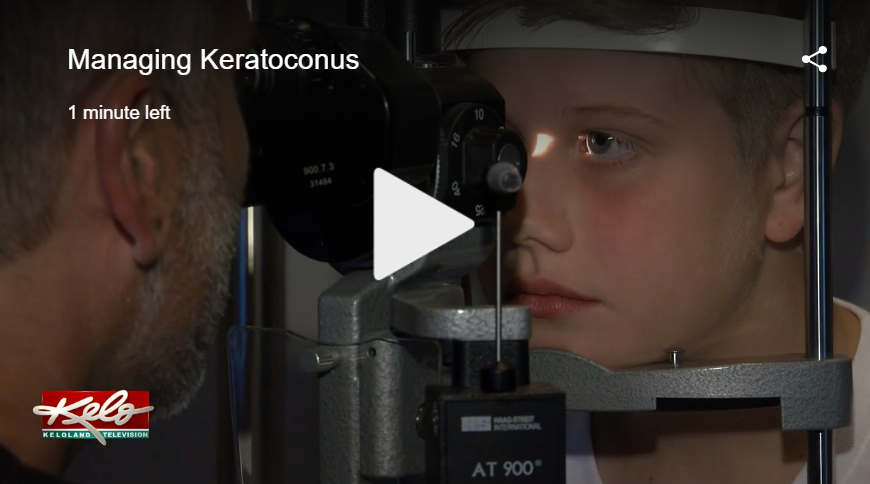
KELO-TV: Managing Keratoconus
In middle school, Baylen, a student from Nebraska, began suffering from debilitating headaches that affected his schoolwork and participation in sports and activities.

The Importance of Back-to-School Eye Exams
As summer fun slowly fades away and the weather begins to change, the back to school season represents a fresh start for…

Summer Vacation: An Ideal Time to Undergo Corneal Cross-Linking
For people living with keratoconus, a progressive eye disease in which the normally round cornea thins and begins to bulge into…

How to Protect Your Eyes This Summer
Everyone knows the importance of using sunscreen, but did you know that your eyes can also experience sun damage?
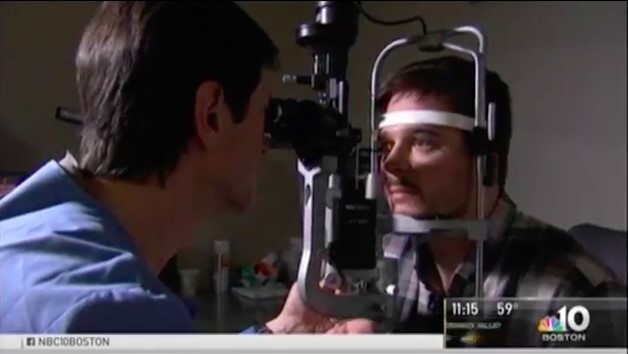
NBC Boston: Local Man Receives Only FDA Approved Therapeutic Treatment for Progressive Keratoconus
After more than 10 years, Sherri learned the true reason behind her son’s vision and attention issues – he was living with a rare eye disease called keratoconus…
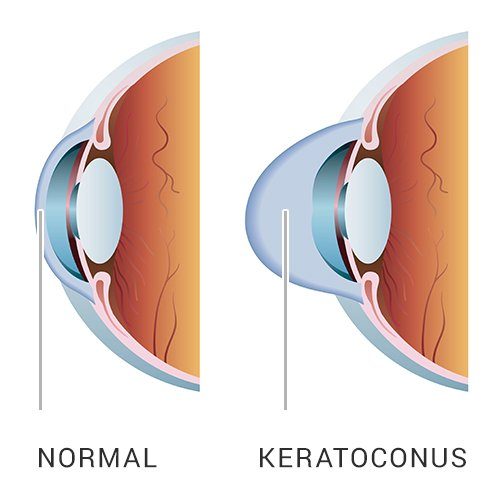
Test Your Keratoconus Knowledge: Seven Important Facts
How knowledgeable are you on the topic of keratoconus? If someone asked you to define or explain keratoconus, what would you say? Keep reading for some facts that may help you explain keratoconus to family members and friends who have never heard of the condition....

Getting to Know Your Eye Care Professionals
Many people who have been living with keratoconus for years, and even those who are just starting their journey, understand what it’s like to see multiple eye care professionals. When it comes to getting your eyes checked, it’s important to ensure that you are going...

Avedro Reaches Reimbursement Milestone for Its FDA-Approved Procedure for Progressive Keratoconus
*The number of insurance carriers covering cross-linking and the number of covered lives listed here have been updated as of April 5th 2019. To view the current list of insurance plans with positive coverage policies, go to the Insurance Information page. Providence...

Dry Eye – What You Need to Know About Symptoms and Treatment Options
While dry eye is a condition that many people experience on a daily basis, it is also a common symptom for those who are living with keratoconus…

Today.com: After a decade of poor vision, teen learned he had a rare eye disease
After more than 10 years, Sherri learned the true reason behind her son’s vision and attention issues – he was living with a rare eye disease called keratoconus…

Video Journal: One Woman Shares Her Cross-Linking Journey
Bekah was diagnosed with keratoconus when she was 36 after she failed her vision exam at the DMV. Similar to others who are diagnosed with this condition, Bekah didn’t know anyone who was living with keratoconus…

Sports Illustrated: Golden State Warrior Steph Curry Wears Contacts to Address Eye Condition
In April 2019, Stephen (Steph) Curry, an American professional basketball player for the Golden State Warriors, announced that he is living with keratoconus…

Max’s Video Series: One Family Shares Their Keratoconus Journey
Max, his father Jim, Dr. Ken Beckman, and Avedro employees celebrating World KC Day[/caption] Max was just 16 years old when a routine optometrist visit resulted in a keratoconus diagnosis and his eye health changed forever. Suddenly Max felt that doors to his future...

Connect with the Keratoconus Community in Houston at the First Family Symposium of 2019
Back by popular demand, the National Keratoconus Foundation has announced the first Keratoconus Family Symposium of 2019! Building upon three successful events last year, this next symposium will take place on March 23, 2019, at the University of Houston College of...
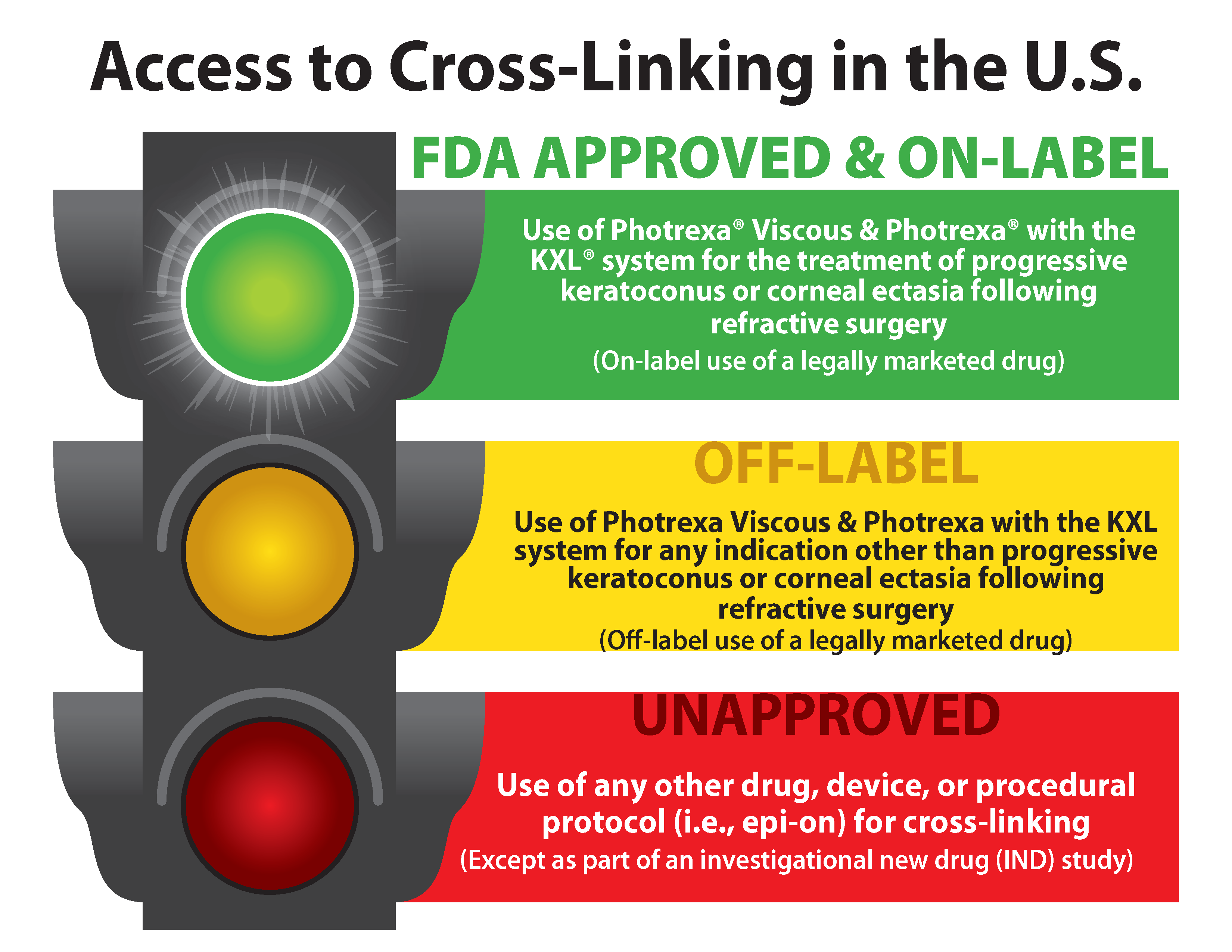
What to Know About FDA Approved Treatments
hat does the phrase “FDA approved” really mean? According to the US Food and Drug Administration (FDA), “FDA does not develop or test products before approving them. Instead, FDA experts review the results of laboratory, animal, and human clinical testing done...

Daily Herald: Lehi teen undergoes the only FDA approved therapy for rare eye condition
Ultimately, Jessa decided on the only FDA approved therapeutic cross-linking treatment to slow the progression of her keratoconus…
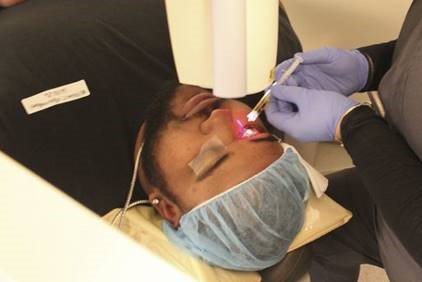
The Baltimore Sun: Ravens defensive tackle Brandon Williams receives FDA approved treatment to combat eye condition
“Brandon Williams sat in his usual seat near the back of the Ravens’ meeting room, but something was wrong. The dry-erase board down front had dissolved into a blur of colors and squiggles. Williams squinted and blinked furiously but couldn’t bring the image into...

Feeling Confident While Living With Keratoconus
Confidence can be described as a belief in one’s self and one’s ability to succeed. Following the FDA approval of corneal cross-linking over two years ago, we have heard many patients and families talk about how being able to effectively treat progressive...

Hoover Sun: Hoover resident receives eye surgery for keratoconus
As a child, Cedric endured a number of life-threatening illnesses and overcame them against all odds, graduating high school in 2011 and finding a job that he loves. However, Cedric’s unexpected keratoconus diagnosis threatened his progress. Despite everything,...

WCVB Boston: Treatment option available for local family’s progressive eye disease
WCVB recently highlighted the family’s journey with keratoconus, including Michael and Angelo’s decision to receive FDA-approved corneal cross-linking, a treatment that was not available when their mom was navigating her treatment options.

Richmond Magazine: Field of Vision
Shanice, a semi-professional football player, isn’t letting keratoconus stop her from stepping onto the field this upcoming season. As a tight end for the Richmond Black Widows, Shanice worried that certain specialty lenses or a corneal transplant would affect her...

Growing List of Commercial Plans Covering Avedro’s FDA-Approved Cross-Linking Procedure
*The number of insurance carriers covering cross-linking and the number of covered lives listed here have been updated as of September 25th 2018. To view the current list of insurance plans with positive coverage policies, go to the Insurance Information page. ...

Understanding Insurance Coverage for Cross-Linking in the U.S.
Insurance coverage for cross-linking is a hot topic among the keratoconus community. Understanding all of the specifics can be confusing. In this blog, we answer your most frequently asked questions. How do I know if my insurance covers cross-linking? More and more...

World Keratoconus Day
World Keratoconus Day is fast approaching – join Avedro and other members of the keratoconus community to spread the word and raise awareness! What is World KC Day? World Keratoconus Day is celebrated on November 10th. It is sponsored by the National Keratoconus...

The Emotional Impact of a Keratoconus Diagnosis
Scared, worried, and confused are just a few of the emotions that people use when describing how they felt after a keratoconus diagnosis. Long-term illnesses can have a big impact on the daily lives of patients, as well as their families and caregivers, so it’s...

Understanding Keratoconus Treatment Costs
Keratoconus often requires lifetime management, which may carry significant costs that cover different components of patient care, from treatments, such as cross-linking to medically indicated contact lenses. Educating yourself on the different treatment options,...

A Mother’s Perspective: Sherri
Growing up, my son Charlie was smart, funny, and liked to play sports and spend time outdoors. However, Charlie began complaining of vision issues in his early childhood. When we took him to an eye doctor, we were told he was nearsighted and had an astigmatism– which...

Recently Diagnosed with Keratoconus? We’ve Got You Covered!
Despite the fact that an estimated 253 million people in the world live with vision impairment[1], learning that you or a loved one has vision issues can feel isolating and overwhelming. With keratoconus, a progressive eye disease, the earliest signs of vision...

Keratoconus in the Workplace: What You Need to Know
Research shows that signs of keratoconus primarily appear in the late teens and early twenties, meaning that for many patients, a diagnosis may occur when they are beginning to plan their futures after high school and college. Naturally, this might cause individuals...

Recognizing Keratoconus in Individuals with Special Needs
Experiencing visual changes such as blurry or distorted vision can be an unsettling experience for anyone. While everyone processes health changes differently, patients with special needs, particularly Down syndrome, may have difficulty communicating with caregivers...

KC Experts Talk Corneal Cross-Linking
A keratoconus diagnosis can be surprising and distressing news – not only for the person with the condition, but also for their family. Once the initial shock wears off, the reality sets in that they will be managing their condition for years to come and need to...

Is Keratoconus Hereditary? A Mother’s Perspective
While the exact cause of keratoconus is unknown, some cases have a hereditary component and studies indicate that about 10% of keratoconus patients have affected relatives[1]. If there is a family history of the condition, parents should be proactive about monitoring...

Staying Active and Playing Sports with Keratoconus
Being diagnosed with keratoconus was scary, but I was determined to grow up as a normal kid and to continue staying active and playing sports with keratoconus. I was in elementary school when I first noticed my vision was changing…

How I’m Managing My Contact Lenses for Keratoconus
I was only 10 years old when I was diagnosed with keratoconus 25 years ago. I remember one of the first things doctors told me was that I would need to wear contact lenses. My first lens fitting was a mixture of discomfort – due to the hard lens…

Keratoconus Family Symposia: Educating and Bringing Together the Keratoconus Community
For individuals and families who are living with keratoconus, it’s imperative to fully understand the diagnosis and receive proper information about potential treatments and next steps. Effective management options like corneal cross-linking, intacs, and contact...
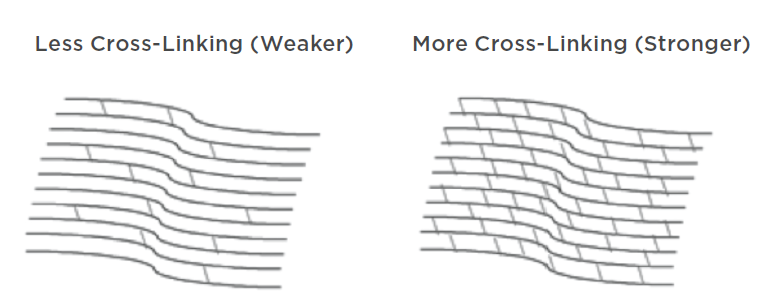
Epi-Off, Epi-On, C3R – What Does It All Mean?
If you or a family member has been diagnosed with keratoconus, then you’ve probably read about corneal cross-linking as a potential treatment option. But there are several cross-linking terms and protocols that people throw around – Epi-off, Epi-on, C3R – What does it...
Understanding Insurance Coverage for Cross-Linking in the U.S.
Insurance coverage for cross-linking is a hot topic among the keratoconus community. Understanding all of the specifics can be confusing. In this blog, we answer your most frequently asked questions. How do I know if my insurance covers cross-linking? More and more...

NKCF Keratoconus Family Symposium – Michigan
Upcoming Event: NKCF to Host Second Keratoconus Family Symposium For individuals living with keratoconus, understanding their diagnosis and potential treatment options can be difficult. To help provide important information to those affected by this condition, the...

KC Patient and Doctor Perspectives: The Importance of Early Diagnosis and Corneal Cross-Linking
For keratoconus patient Kiana, attaining an early diagnosis and corneal cross-linking proved crucial to managing her condition long-term. At age 18, Kiana started noticing simple vision problems that soon worsened – eventually culminating in her inability to see the...

What To Know About Corneal Topography – Part 2
Now that we’ve talked about how keratoconus is diagnosed and what corneal topography is, it’s time to focus on what to expect during the testing process. Any type of eye test or procedure can be a potentially stressful experience, so it’s important to learn the facts...
What To Know About Corneal Topography – Part 1
Whether you’ve worn glasses or contacts for years or not, realizing your vision is declining can be a scary experience. For patients suspected to have keratoconus, an eye condition that causes progressive thinning and bulging of the cornea, doctors may order multiple...

Describe Keratoconus in One Word
We recently asked the Living with KC community to describe keratoconus in one word. Here’s a sampling of the responses: When looking at this feedback, we want you to emphasize that you are not alone in your keratoconus journey. Last month we had the opportunity to...
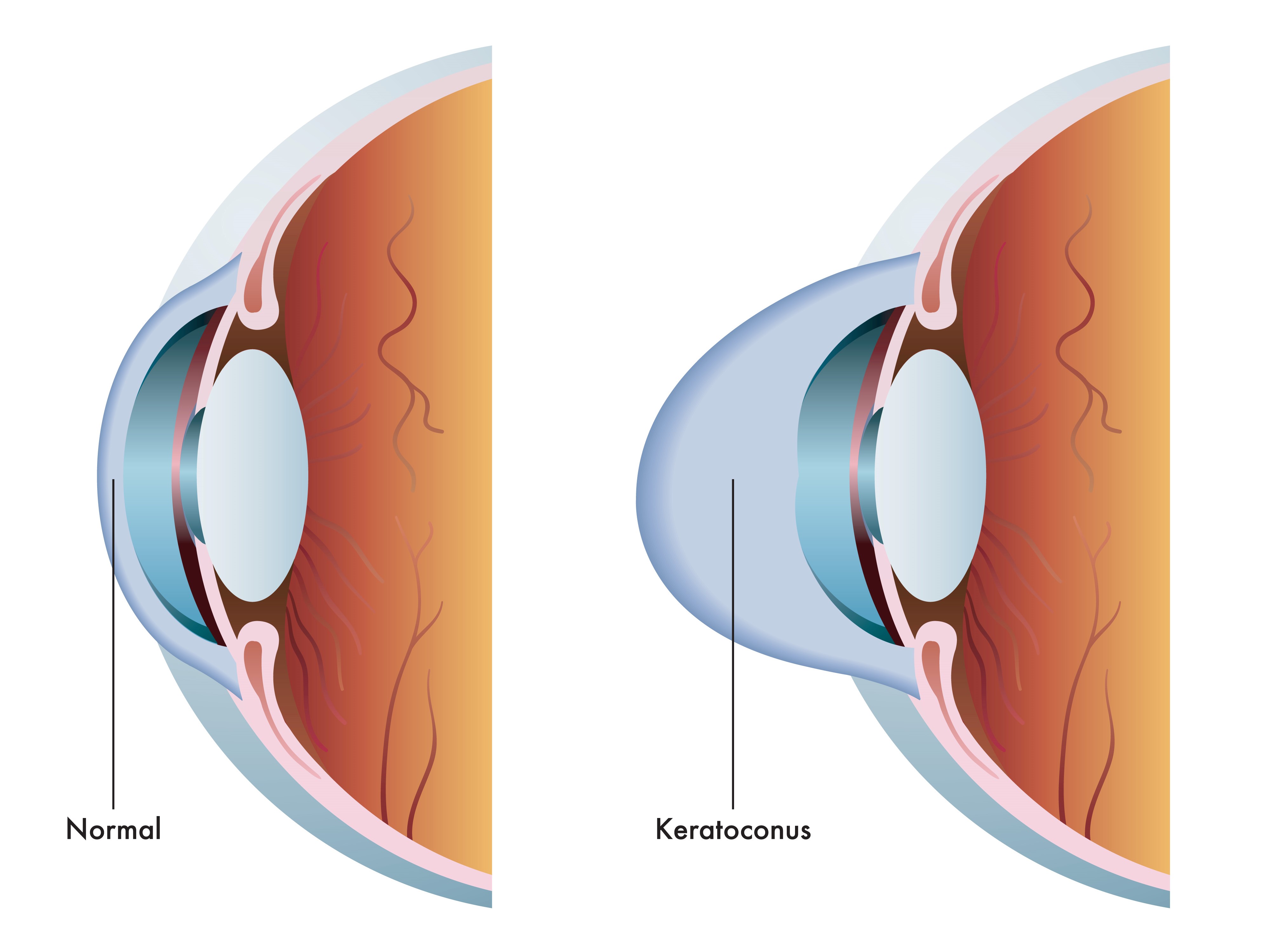
KC Experts on Early Signs of Keratoconus and Diagnosis
Patients and physicians agree that keratoconus, particularly in the initial stages, can be difficult to diagnose. The early signs of keratoconus are usually blurred vision and frequent changes in eye-glass prescription, or vision that cannot be corrected with...

Family History and Keratoconus
Keratoconus is estimated to occur in 1 out of every 2,000 persons in the general population, with signs and symptoms typically first appearing in the teens and early twenties[1]. While the exact cause of keratoconus is unknown, it is believed that genetics do play a...
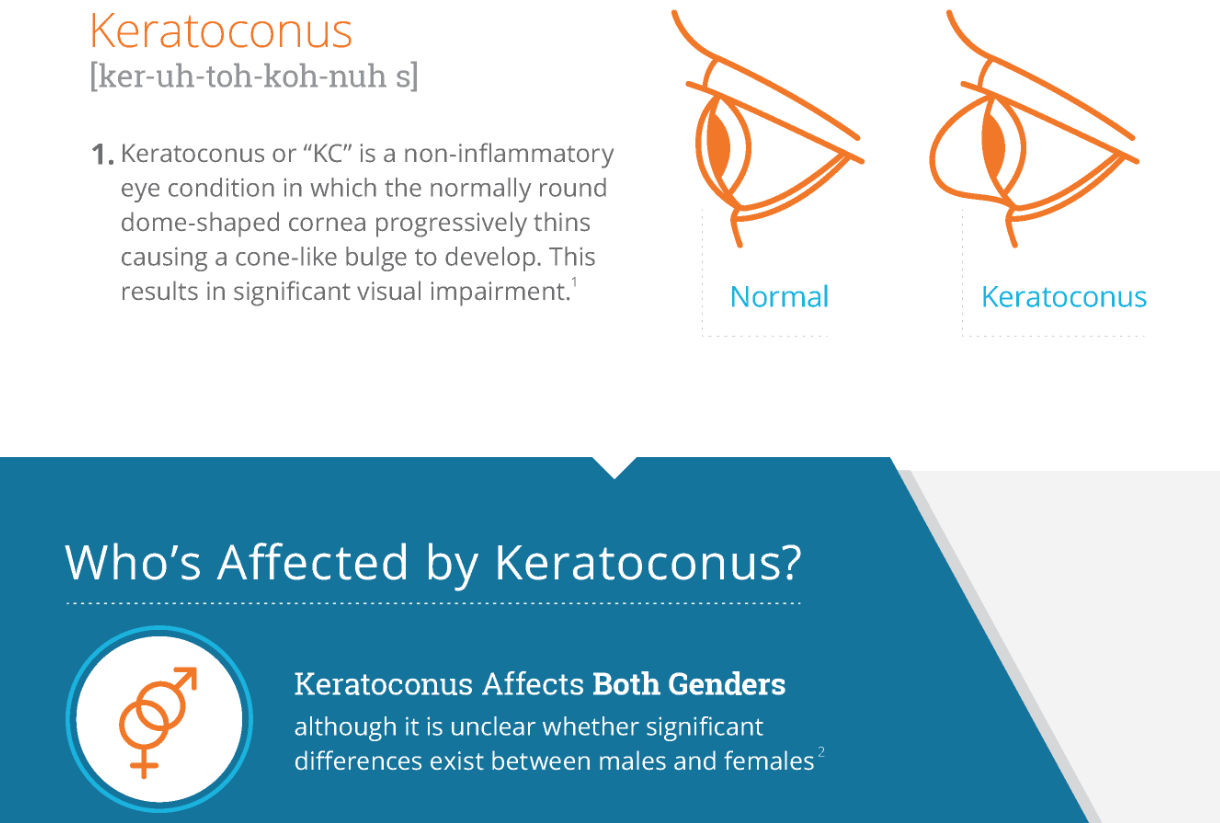
Infographic: Understanding Keratoconus & the Importance of Early Diagnosis
For those living with the disease, understanding keratoconus can be difficult, especially the complexity of the condition and how it can affect your eyesight. Often, people first hear about keratoconus when they are newly diagnosed. In general, knowledge of the...

Finding the Right Contact Lens Fit
One of the biggest challenges keratoconus patients talk about is finding the right contact lens fit – one that proves comfortable. At this time, there is no cure for keratoconus and available treatment options focus on halting the progression of the disease,...

Upcoming Event: NKCF to Host First Keratoconus Family Symposium
NKCF to Host First Keratoconus Family Symposium at Gavin Herbert Eye Institute For families affected by keratoconus, the path from diagnosis to treatment can be a difficult process as everyone works to understand and preserve the eye health and long term vision of...
World Keratoconus Day
World Keratoconus Day is fast approaching – join Avedro and other members of the keratoconus community to spread the word and raise awareness! What is World KC Day? World Keratoconus Day is celebrated on November 10th. It is sponsored by the National Keratoconus...